

For anyone dedicated to their fitness journey, the phrase “let’s get takeout” can sometimes trigger a wave of anxiety. When you are meticulously tracking your macronutrients (proteins, carbohydrates, and fats) to reach a specific goal—whether that is building muscle, losing fat, or fueling up for a marathon—eating food prepared outside your own kitchen can feel like a gamble.
However, sticking to your fitness goals does not mean you have to eat plain chicken breast and steamed broccoli out of a Tupperware container every night. You absolutely can enjoy vibrant, restaurant-quality meals. If you are searching for the best healthy Asian takeout in Edmonton, you are in luck. Traditional Asian cuisine is incredibly versatile, making it one of the easiest menus to navigate when you are watching your macros.
In this comprehensive guide, we will break down the nutritional profiles of popular dishes, expose the hidden calorie traps, and provide you with a foolproof cheat sheet for ordering macro-friendly, delicious meals from Rice Bowl Deluxe.
Understanding Macros in the Context of Asian Cuisine
Before we dive into specific menu items, it is important to understand how the three main macronutrients show up in Asian cooking. Knowing this will empower you to customize almost any dish on the menu.
1. Protein: The Muscle Builder
Protein is the cornerstone of most macro-tracking diets, helping to preserve lean muscle mass and keep you satiated. Asian cuisine offers an abundance of high-quality protein sources. From lean chicken breast and flank steak to seafood like shrimp and salmon, the options are plentiful. For plant-based eaters, tofu and edamame provide excellent vegetarian protein sources.
2. Carbohydrates: The Energy Source
Carbs fuel your workouts and your brain. In Asian takeout, carbohydrates are proudly front and center. Jasmine rice, brown rice, rice noodles (like those found in Pho or Pad Thai), and wheat noodles (like Udon) form the base of most dishes. The key to managing your carbs here is simply portion control, or swapping out heavy noodle bases for extra vegetables if you are on a low-carb protocol.
3. Fats: The Flavor Enhancer
Dietary fats are essential for hormone health and nutrient absorption. In Asian wok cooking, fats usually come from cooking oils (like canola, peanut, or sesame oil), coconut milk (used in curries), and the natural marbling in certain cuts of meat. While “wok-hei” (the breath of the wok) requires high heat and a touch of oil, you can easily navigate around excessively high-fat meals by knowing which preparation methods to look for.
The Best High-Protein, Macro-Friendly Orders
When you want to hit your protein goals without blowing your fat and carbohydrate limits out of the water, look for dishes that emphasize lean meats and simple preparation methods. Here are some top-tier choices:
Hainan Chicken (The Ultimate Macro Hack)
If there were a gold medal for macro-friendly Asian food, Hainan Chicken would win it. This traditional dish involves gently poaching a whole chicken in a flavorful, aromatic broth infused with ginger, garlic, and scallions.
-
Why it works: Because the chicken is poached rather than fried, no excess cooking oil is added. It is incredibly lean, tender, and packed with pure protein.
-
The Macro Move: Order it with a side of steamed vegetables or a moderate portion of rice. Be mindful of the accompanying dipping sauces (ginger scallion oil and chili sauce); while delicious, the ginger-scallion sauce is oil-based, so use it sparingly to keep fats low.
Teriyaki Chicken Bowls
A staple in Japanese-inspired cuisine, the Teriyaki Chicken bowl can be a fantastic, balanced meal. The chicken is typically grilled or pan-seared, offering a solid protein punch.
-
Why it works: Grilled chicken breast or thigh is a fantastic lean protein. The accompanying steamed broccoli provides volume and micronutrients without adding calories.
-
The Macro Move: Teriyaki sauce is sugar-based, meaning it will add to your daily carbohydrate count. To keep macros tight, ask for the sauce “on the side” or request a “light glaze.”
Vietnamese Pho (Noodle Soup)
Pho is not just an incredible comfort food for chilly Edmonton winters; it is actually a highly balanced meal for athletes and gym-goers.
-
Why it works: The broth is typically bone-based, meaning it is low in fat but rich in collagen and flavor. The dish is loaded with lean cuts of beef (like eye of round) or chicken, fresh herbs, bean sprouts, and rice noodles.
-
The Macro Move: Pho offers massive food volume for relatively low calories. If you need fewer carbs, simply eat half the noodles and fill up on the protein, broth, and endless fresh vegetable garnishes.
Fresh Spring Rolls (Salad Rolls)
Not to be confused with deep-fried spring rolls, Vietnamese-style fresh salad rolls are wrapped in translucent rice paper.
-
Why it works: They are stuffed with crisp lettuce, carrots, cucumbers, vermicelli noodles, and lean proteins like shrimp or chicken. They are incredibly low in fat and calories.
-
The Macro Move: Watch the dipping sauce. Hoisin-peanut sauce is calorie-dense due to the fats in the peanuts and sugars in the hoisin. Dip lightly, or ask for a vinegar-based chili sauce instead.
Navigating the Menu: What to Minimize
When searching for healthy Asian takeout in Edmonton, it is just as important to know what dishes to enjoy in moderation. If you are on a strict macro protocol, you may want to limit the following items, as they can quickly derail your daily targets.
Deep-Fried Delights
As much as we all love the crunch of Japanese Pork Katsu, Sweet and Sour Pork, or Taiwanese Deep-Fried Chicken, the batter and deep-frying process significantly increase the fat and carbohydrate content. If you are craving these flavors, factor them into your tracking app ahead of time, or save them for a designated “refeed” or cheat day.
Heavy Coconut Curries
Thai Green Curry and Panang Curry are absolute flavor bombs, thanks to the rich coconut milk base. However, coconut milk is very high in saturated dietary fat. While it is a natural, whole-food ingredient, a single bowl of curry can easily consume a large portion of your daily fat allowance.
-
The Fix: If you love curry, treat it as your primary fat source for the day, and pair it with a lean protein like chicken breast or tofu.
Sugar-Heavy Glazes and Sauces
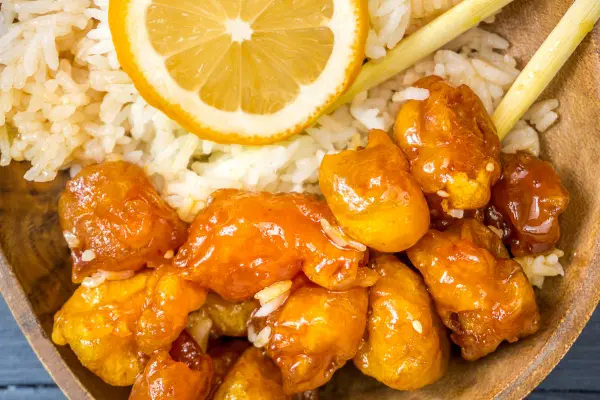
Many popular Westernized Asian dishes—like Orange Chicken, General Tso’s, or heavy Peanut Sauces—rely on sugar and cornstarch to create thick, glossy coatings. This hidden sugar spikes the carbohydrate count rapidly. Always opt for savory, broth-based, or lightly soy-glazed options when keeping carbs low.
Hacks to Customize Your Order at Rice Bowl Deluxe
The beauty of a great takeout spot is its flexibility. At Rice Bowl Deluxe, we cook our meals fresh to order, meaning you have the power to customize your bowl to fit your exact nutritional needs. Use these ordering hacks to take control of your macros:
1. The “Sauce on the Side” Strategy
Sauces are the hardest part of a meal to track because you rarely know the exact measurements used by the chef. By asking for your Teriyaki, Peanut, or Sweet Chili sauce on the side, you control the portion. Dip your fork into the sauce before taking a bite, rather than pouring it over the bowl. You get the flavor with a fraction of the calories.
2. Double the Protein
If you struggle to hit your daily protein target (a common issue for many weightlifters and athletes), simply ask to “double the meat” or add a side of tofu to your bowl. This minor upcharge is worth it for the massive boost in high-quality macronutrients.
3. Swap Rice for Greens (The Low-Carb Swap)
If you are following a Keto diet, or if you simply prefer to eat your carbs earlier in the day, ask to substitute your base. At Rice Bowl Deluxe, you can swap out standard white or brown rice for extra steamed vegetables, such as broccoli or bok choy. This turns a carb-heavy meal into a high-protein, high-fiber, low-calorie powerhouse.
4. Opt for Broth-Based Over Oil-Based
When choosing a soup or a wet dish, opt for clear, thin broths (like Wonton soup or Pho) rather than thick, creamy, or oil-heavy bases (like coconut soups or heavily thickened gravies). Clear broths hydrate you and keep calorie counts remarkably low.
Why Edmonton’s Health-Conscious Diners Choose Rice Bowl Deluxe

Finding healthy Asian takeout in Edmonton shouldn’t feel like navigating a minefield. You deserve a restaurant that prioritizes transparency, fresh ingredients, and customizable options.
At Rice Bowl Deluxe, we cater to all lifestyles. Whether you are bulking up, leaning out, or simply trying to maintain a balanced, healthy diet, our menu is designed to support you. We use fresh, crisp vegetables, high-quality cuts of meat, and authentic cooking techniques that rely on robust spices and aromatics—rather than excess butter or heavy creams—to deliver flavor.
Conclusion
Tracking your macros requires discipline, but it should never rob you of the joy of eating delicious, satisfying food. By understanding the building blocks of Asian cuisine, knowing which preparation methods to look for, and utilizing a few simple ordering hacks, you can easily integrate takeout into your fitness regimen.
The next time you are too tired to meal prep after a hard session at the gym, skip the drive-thru burgers and opt for a meal that actually fuels your progress. Check out the Rice Bowl Deluxe Menu and build the perfect, macro-friendly bowl today!
Frequently Asked Questions (FAQs)
1. Is white rice or brown rice better for my macros? Both are excellent sources of carbohydrates! Brown rice has slightly more fiber and digests a bit slower, which can help keep you full longer. However, white rice is faster-digesting, making it an excellent, quick energy source if you are eating right before or immediately after an intense workout.
2. Are noodles high in calories? Noodles themselves are primarily carbohydrates and fit well within a balanced macro plan. The calorie count increases based on the sauces and oils used to cook them. Stir-fried noodles (like chow mein) will have more fat from the wok oil than boiled noodles served in a soup (like udon or pho).
3. What is the lowest-calorie appetizer I can order? Edamame is an unbeatable choice. It is a steamed soybean pod sprinkled with a little sea salt—high in protein, high in fiber, and very low in calories. Fresh salad rolls (not deep-fried) are a close second.
4. How do I track my takeout food in apps like MyFitnessPal? While you may not get it down to the exact gram, you can estimate accurately by searching for generic verified entries (e.g., “Restaurant Chicken Teriyaki Bowl”) or by tracking the ingredients individually (e.g., entering 1 cup of jasmine rice, 6 oz of grilled chicken breast, and 1 tbsp of teriyaki sauce).
5. Does Rice Bowl Deluxe accommodate strict Keto diets? Yes! We are happy to substitute rice and noodles for extra steamed vegetables, and we can guide you toward dishes with low-sugar sauces or dry-rubbed proteins. Just let our staff know your dietary needs when you place your order.




