
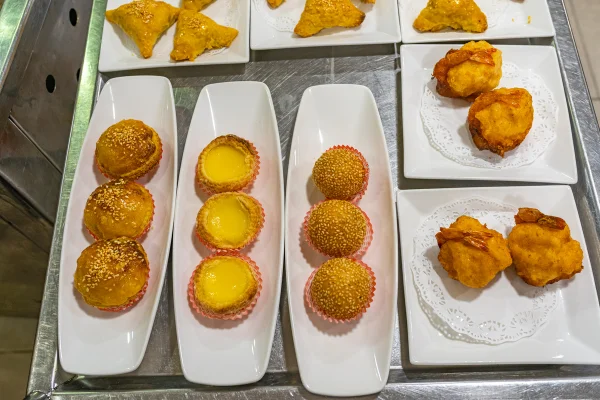
Over the years, egg tarts have become beloved desserts around the world, yet you may find yourself confused between the distinct styles of Hong Kong and Portuguese egg tarts. While both feature a creamy custard filling nestled in a flaky crust, they differ significantly in texture, flavor, and overall presentation. In this blog post, you’ll explore these differences to better appreciate each style’s unique charm and history, enhancing your dessert experience.
History of Egg Tarts
Egg tarts carry a fascinating history rooted in cultural exchange and culinary evolution. What began as simple European custard pies transformed through centuries of adaptation — from Portugal’s pastéis de nata to the beloved Hong Kong egg tart featured on dim sum menus today.
Shaped by colonial influence and local tastes, each version reflects its region’s personality: the rich, caramelized Portuguese tart and the light, silky Hong Kong style found in countless Asian restaurants and bakeries. Together, they tell a story of global flavors meeting tradition — one golden bite at a time.
Origins of Hong Kong Egg Tarts
Hong Kong egg tarts emerged in the early 20th century, primarily influenced by British custard tarts introduced during colonial rule. You can trace their development to local bakeries that adapted Western recipes, incorporating a flaky pastry crust filled with a smooth, sweet custard. By the 1950s, these tarts gained immense popularity, becoming a staple in dim sum restaurants and cafes across the city.
Origins of Portuguese Egg Tarts
The Pasteis de Nata, or Portuguese egg tart, originated in the 18th century at the Jerónimos Monastery in Lisbon. Bakers created these tarts as a way to utilize egg yolks left over from starching nuns’ habits. Your first taste of the authentic version features a crispy, caramelized top and a creamy custard filling, reflecting centuries of tradition and culinary excellence.
The custard tart’s early form was a simple yet indulgent treat for monks and locals alike. After the monastery’s closure in the 19th century, a former monk patented the recipe to entice customers at the nearby Fábrica de Pastéis de Belém, leading to the widespread popularity of these delectable treats. Today, Pasteis de Nata can be found worldwide, each bite evoking a sense of rich heritage and the flavors of past centuries. Their crispy shells and creamy centers showcase the art of pastry that has captured the hearts of dessert lovers everywhere.
Ingredients Comparison
| Hong Kong Egg Tart | Portuguese Egg Tart |
|---|---|
| Shortcrust pastry or puff pastry | Puff pastry |
| Eggs | Eggs |
| Custard made with milk and sugar | Custard made with cream and sugar |
| A hint of vanilla | Cinnamon or lemon zest |
| Often includes a glaze | Caramelized top |
Pastry Types
The pastry for Hong Kong egg tarts can either be a flaky shortcrust or a light puff pastry, providing a tender and slightly crisp texture. In contrast, Portuguese egg tarts exclusively use puff pastry, creating a rich, layered structure that enhances the tart’s indulgent experience.
- Hong Kong egg tarts feature a shorter bake time.
- Portuguese variants are baked until the tops are charred.
- The varying pastry types contribute to unique mouthfeel.
- You can visually distinguish them by their crusts.
- Any egg tart lover will appreciate the pastry differences.
Filling Ingredients
The filling for Hong Kong egg tarts combines eggs with milk and sugar, yielding a creamy and smooth texture. Alternatively, Portuguese egg tart filling tends to be richer, utilizing cream instead of milk, along with egg yolks and sugar to create a denser custard with a silkier mouthfeel.
For Portuguese egg tarts, the incorporation of cream provides a lush richness that contrasts with the simpler filling of the Hong Kong versions. Ingredients like cinnamon or even lemon zest often enhance the flavor of Portuguese egg tarts, setting them apart. Additionally, the caramelized top of the filling develops a complex flavor profile, hinting at the toasty notes of the baking process. These variations in filling ingredients contribute significantly to each tart’s distinct taste experience.
Preparation Methods For Egg Tarts

Traditional Hong Kong Preparation
To prepare Hong Kong-style egg tarts, you begin with a flaky pastry that often incorporates iced water or a bit of milk for tenderness. The filling consists of a smooth mixture of eggs, sugar, evaporated milk, and water, yielding a custard that is steamed before being poured into the pre-baked crust. Baking at a high temperature creates a golden top while ensuring the custard remains creamy. The entire process creates a seamless balance between the crisp pastry and the rich custard filling, making each bite a delight.
Traditional Portuguese Preparation
Portuguese egg tarts, known as pastéis de nata, adopt a different approach with their pastry. The dough is layered similarly to puff pastry, achieving a more complex, crispy exterior. The custard mixture combines egg yolks, sugar, heavy cream, and vanilla, resulting in a rich flavor. These tarts are baked in very high heat ovens, often until the tops get caramelized spots, adding depth to the taste. This meticulous baking process creates distinct texture contrasts between the flaky crust and the creamy interior.
Using a unique method, the pastry for pastéis de nata relies on a lamination technique, folding layers of butter into the dough multiple times. This results in a distinct, airy texture that elevates the tart. The custard’s slow preparation allows flavors to meld, integrating spices like cinnamon or lemon zest for additional notes. The iconic pasteis de Belem, originating from the Belém district of Lisbon, exemplifies this traditional preparation, attracting countless visitors eager for an authentic taste of Portugal’s culinary heritage.
Flavor Profiles Of Egg Tarts

Taste of Hong Kong Egg Tarts
The taste of Hong Kong egg tarts features a delicate balance between sweetness and creaminess, characterized by a subtly caramelized surface. Your bite reveals a silky custard, often infused with a hint of vanilla. The flaky pastry serves as a thin, crispy shell that contrasts beautifully with the rich filling, enhancing the overall experience.
Taste of Portuguese Egg Tarts
Portuguese egg tarts, or pastéis de nata, boast a more pronounced sweetness, accompanied by a nutty flavor profile stemming from the use of cinnamon and lemon zest. The custard is slightly denser than its Hong Kong counterpart, with a burnt top that adds a caramel-like richness. You’ll enjoy the crispy, pillowy crust that offers a more substantial bite.
This unique combination of flavors arises from traditional pastéis de nata recipes, where the custard is baked at high temperatures, resulting in that signature charred top. The addition of spices like cinnamon elevates the taste, making each tart a sensory experience. Often served with a sprinkle of powdered sugar or ground cinnamon, these egg tarts fulfill both an aesthetic and taste appeal, making them a beloved treat worldwide.
Cultural Significance

Both Hong Kong and Portuguese egg tarts reflect their unique cultural histories, acting as edible symbols of colonial influence and fusion. In Hong Kong, these tarts serve as a reminder of the city’s British colonial past, blending Western and Chinese culinary traditions. For Portugal, the egg tart is a token of national pride, deeply rooted in the monasteries’ baking techniques of the 18th century. Each tart conveys stories of migration, adaptation, and the enduring legacy of past civilizations, making them more than just desserts; they are cultural artifacts.
Hong Kong’s Culinary Landscape
Your exploration of Hong Kong’s culinary landscape reveals a melting pot of flavors and techniques. The egg tart sits at the intersection of British influences and Cantonese cuisine, showing how the local palate has embraced and adapted foreign foods. With bakeries across the city, each serving their unique take, egg tarts quickly became a beloved snack for locals and tourists alike, illustrating the city’s dynamic food culture and preference for convenience and taste.
Portuguese Culinary Heritage
Delving into Portugal’s culinary heritage, you uncover a rich tapestry of history, tradition, and innovation. The egg tart, or “Pastel de Nata,” originated in the 18th century at the Jerónimos Monastery. It showcases the art of blending simple ingredients like eggs, sugar, and cream into a sophisticated delicacy. With its flaky crust and creamy filling, it symbolizes Portugal’s baking prowess and has evolved into a cultural icon enjoyed worldwide. Historically, these tarts were sold to raise funds for the monastery, further embedding them in Portuguese social and culinary history.
Popular Variations

Exploring the diverse variations of egg tarts reveals how different regions have adapted this classic dessert to their unique tastes. Each style presents intriguing twists that highlight local ingredients and culinary traditions, showcasing the egg tart’s versatility and global appeal.
Unique Takes on Hong Kong Egg Tarts
Your palate might be delighted by the various interpretations of Hong Kong egg tarts. Some bakeries experiment with flavors like pandan or matcha, offering a fusion of traditional and modern tastes. Others might infuse the custard with chocolate or fruit purees, creating a unique twist while retaining the flaky pastry you love.
Unique Takes on Portuguese Egg Tarts
In Portugal, egg tarts often take on a few delightful variations. Chefs frequently incorporate spices like cinnamon or lemon zest into the custard, enhancing its rich flavor profile. The crust is also occasionally swapped for alternatives like almond or even chocolate for a different dessert experience.
Additionally, regional differences in Portugal can lead to distinct variations of pastéis de nata. In cities like Belém, the original recipe is cherished, while in others like Porto, bakers might add local specialties such as Port wine to the filling. Some even offer artisanal versions that feature seasonal fruits or unique flavor infusions, making each pastry a celebration of local culture and ingredients. These adaptations elevate the traditional egg tart to new culinary heights, catering to diverse tastes and preferences.
Egg Tarts in Edmonton, Hong Kong And Portugal Conclusion
On the whole, understanding the differences between Hong Kong and Portuguese egg tarts enhances your appreciation of these delightful pastries. While both feature a flaky crust and creamy custard filling, you’ll find that Hong Kong tarts tend to have a lighter, less sweet custard compared to the richer, caramelized flavor of their Portuguese counterparts. Each offers a unique taste experience, allowing you to explore the cultural nuances behind these beloved treats. Enjoying both styles lets you savor the culinary traditions of different regions and adds depth to your dessert encounters.




